


Apologies for my absence over the past week. Sometimes life catches up, and one just needs time to focus on home to redress the balance of divisive politics vs life. My beloved garden has been way too neglected because I've spent so much time writing and researching at the expense of preparing for the growing season. I know to some, gardening is an inconvenience, but for me, it’s been a deeply rewarding part of my life for as long as I can remember. It’s my refuge, a place to potter, to propagate plants, and enjoy attracting wildlife as well as joust with it when it comes to fruit and vegetables.
I’m remodelling the garden into a revamped outdoor space where I can sit down and write through the summer. Beyond the blessed reward of a 46-year journey with the love of my life, I feel privileged to indulge my passion for politics and writing. I feel that creating an outdoor space from which to share my thoughts with you will make it all the more rewarding. I know, I’m an old romantic, but I make no apologies for that at a time when romance seems to be measured more by how much cash you can afford to throw at it.
One thing time away from writing does is provide an opportunity to take stock and listen. I think it can be all too easy, when day after day you’re on the front lines of an existential fight for the survival of democracy, to miss important issues that need exploration. If people are being submerged in an ocean of disinformation and misdirection, it’s important to draw attention to the threats that the regime is working tirelessly to hide.
For example, Trump seems at pains to insist that there’s no rush to settle the Iran conflict and that we are in some sort of holding pattern, while he crafts a cunning plan to resolve the problem he created. Let me be as blunt as I can: the global economy is slowly bleeding out, and Trump is out of options, other than to commit war crimes, which, regardless, will do NOTHING to solve the problem.
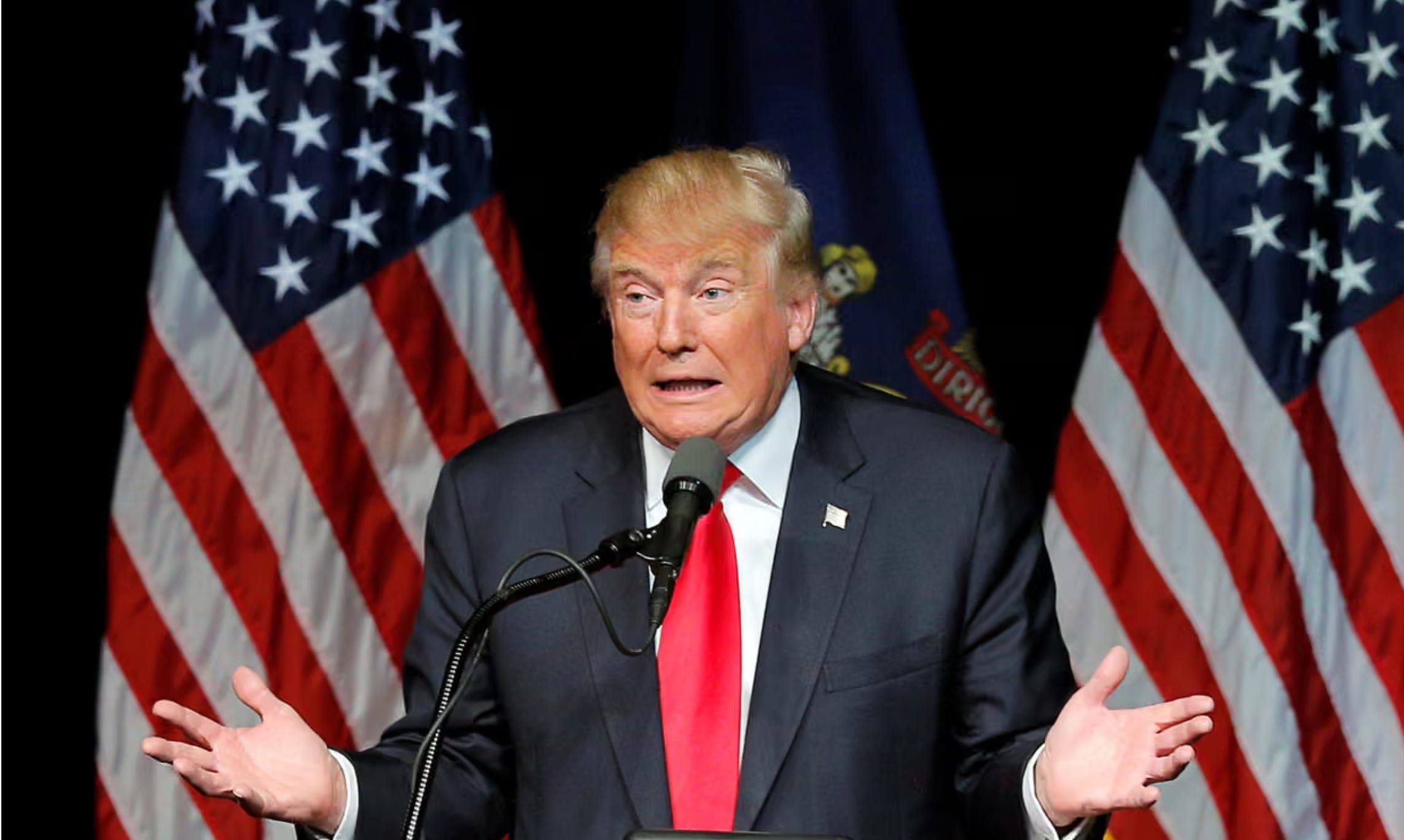
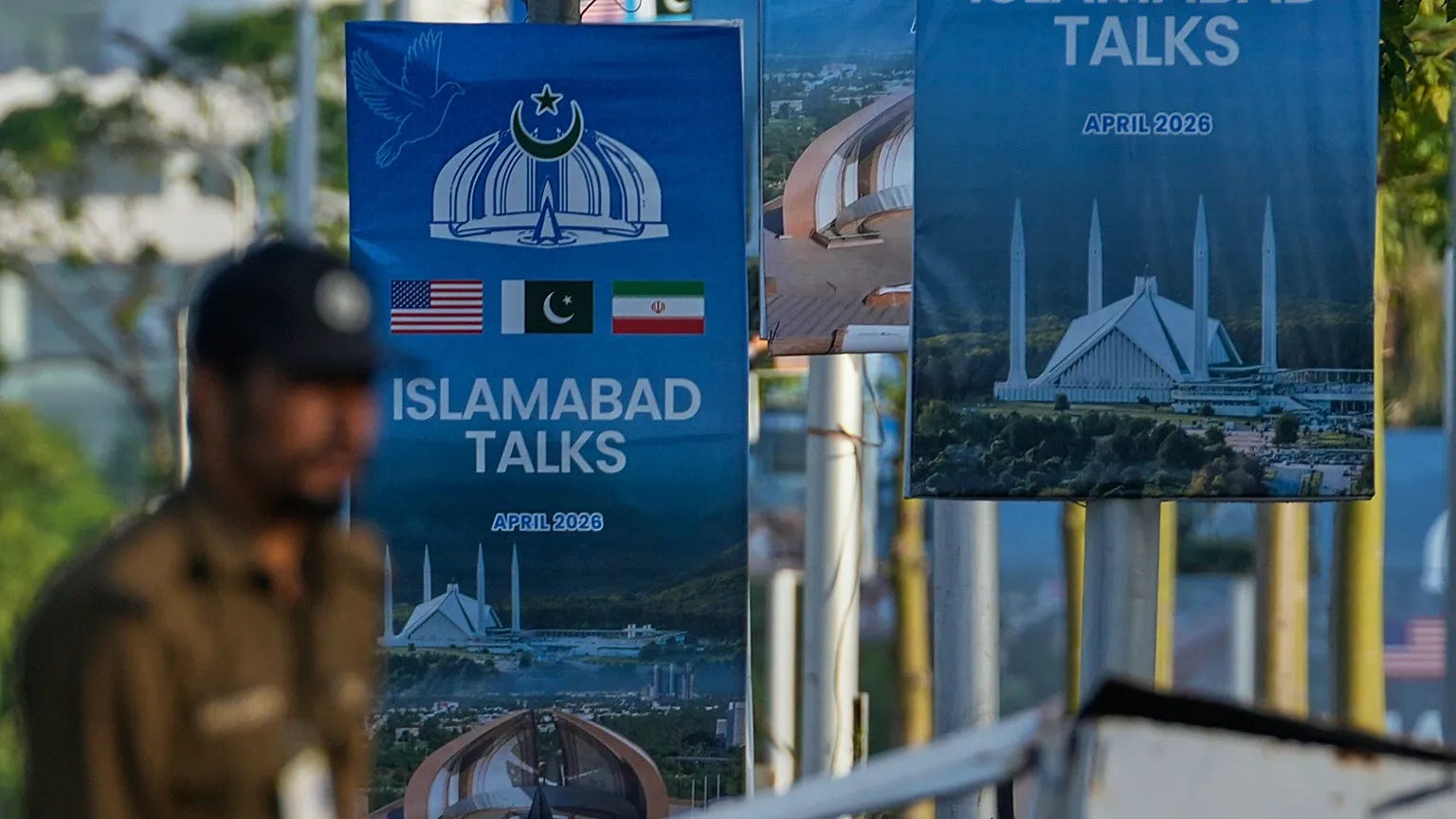
The problem with building foreign and economic policy on a foundation of lies is that the truth will eventually out. What it sounds like to me is that Western media is aiding and abetting the lies and deception. There is no better example than the alleged peace talks Trump has invoked daily to calm the markets following the failed talks that ended on April 12th without a resolution. Ever since JD Vance returned home empty-handed from Islamabad, Trump has been forced to continually calm the markets by lying to suggest an end to the war is just around the corner.
As the global economy is burning, the arsonist who started the fire seems to be suggesting it will take as long as it takes to put out the fire and not to rush him. Meanwhile, Asia is burning, and Europe is now starting to feel the impact of Trump’s reckless incompetence. Put simply, it has long been accepted that should the Strait of Hormuz become blocked, the global energy supply would take a massive hit, with the potential to cripple economies around the world; that’s before we discuss other key commodities like fertiliser and helium that would be choked off.
What I’d like to do today is focus on the global economic impact of the situation as it stands, because the key to this whole situation is preparation for the economic tsunami that is building and threatening to hit the world. In my mind, there is no question that US lower and middle-income families are likely to be hit VERY HARD. I can tell you without fear of contradiction that Trump is toast; it’s over for him, so his sole objective now is to stuff as much money into his pockets before any economic tsunami hits. He will go down in history as the President who knew the US economy was under threat of collapse, and chose to hide it until it was too late to save millions of Americans from financial devastation.
Let’s start with oil. In a global market, no country is insulated from rising oil costs. Oil is used across a whole range of goods and services that drive economic prosperity. From Jet fuel to gasoline to diesel to manufacturing, oil prices have a direct and rapid impact on GDP and inflation, as transport and manufacturing input costs rise. To provide some context, according to economic models and the Federal Reserve’s own estimates, a $10 rise in the price of oil is estimated to translate into between an 0.2% to 0.4% increase in inflation and a 0.1% to 0.2% reduction in GDP. Each 0.1% point in GDP represents around $32 billion in lost revenue.
Many ask why oil prices have not risen higher, given the gravity of the situation. The answer is really very simple. ‘The art of the lie’. The words of a US president have a major impact on the markets. Trump is trading off the reputation of his predecessors to quite literally manipulate the markets. He uses increasingly implausible fairytales to convince markets that need little encouragement to grasp hope from his ever more unbelievable statements. Trump has a unique gambling addiction. He never gambles with his own money; instead, he now has the keys to the US Treasury to gamble with YOUR money.
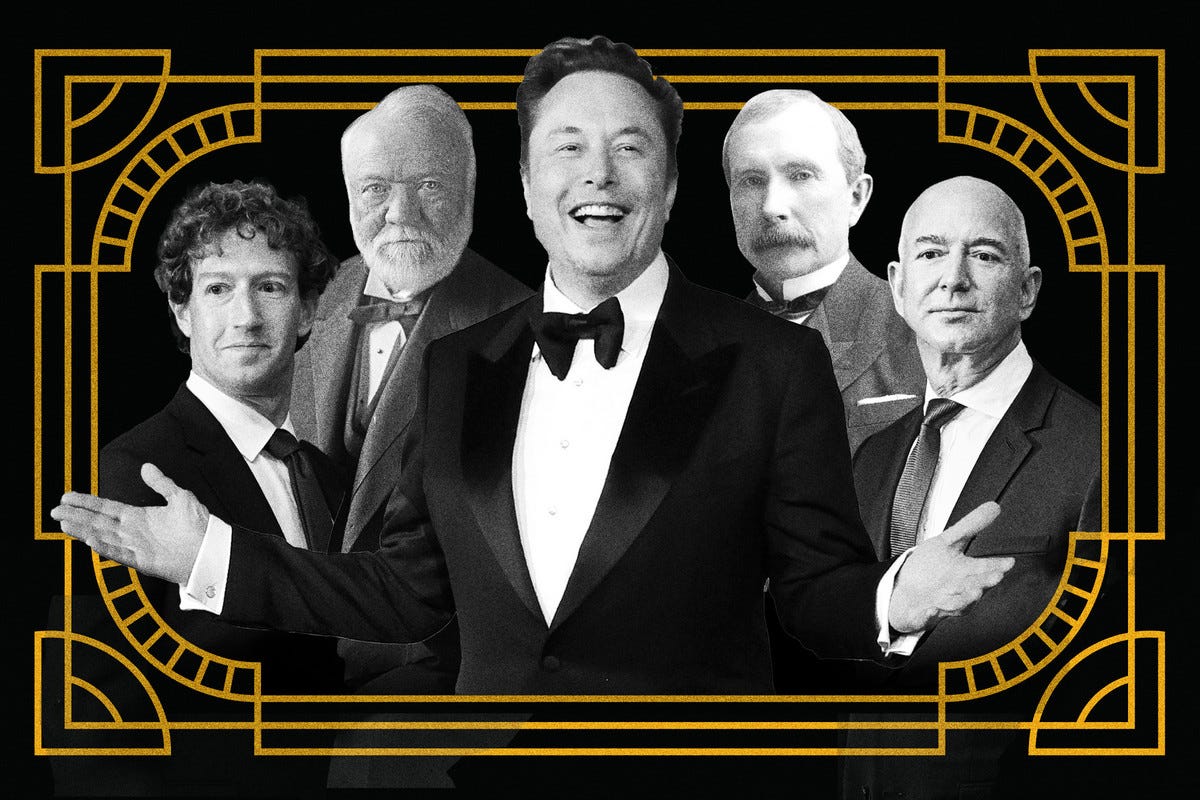
He can claim all day long that this is the new Gilded Age in America and that the economy is the strongest in the world. That does not make it so, just like the claim that the US does not need the Strait of Hormuz, which is utter nonsense. Ask US farmers and manufacturers who need the critical commodities beyond oil that transit through the Strait. Illusory economics is not a plan; it’s simply an attempt to hide the inescapable truth. Like all addicts, Trump has to work hard to delay the truth knocking at the door to deliver the bad news that the economy has passed away as a result of suicide.
Historical context is everything, and Israel is never very far from historical oil crises. The 1973 oil crisis arose as a result of a price spike caused by an Arab oil embargo against Western nations supporting Israel in the Yom Kippur War. If you’re looking for a helpful reference point, I highly recommend a keynote speech by Daniel Yergin, Vice Chairman of S&P Global, delivered at an event organised by the Centre on Global Energy Policy in October 2023. While many would claim that it’s unfair to compare this crisis with the current one, given that the US was much more dependent on Gulf State oil at the time, it has all the hallmarks of the situation we face today.
Yergen notes:
The 1973 crisis stands out historically because it was so distinctive and so tumultuous, and had such far-reaching impact. Although seen as a single crisis, it actually represented a convergence of three different crises. One was geopolitical, and one energy. The third was a political crisis in the United States that resonates for American politics today.
The other unspoken link here is that Hamas deliberately chose the 50th anniversary of the Yom Kippur War to launch its assault on October 7th 2023. In 1973, the US was the largest importer from OPEC oil states, and at that time, oil accounted for 50% of global energy consumption; now it accounts for around 30%. While Trump claims at every opportunity that the US does not rely on Gulf State oil, in the context of today’s problem, it’s irrelevant, given that oil is traded on the global market. That’s why US consumers are not protected from rising gas prices arising from the war with Iran.
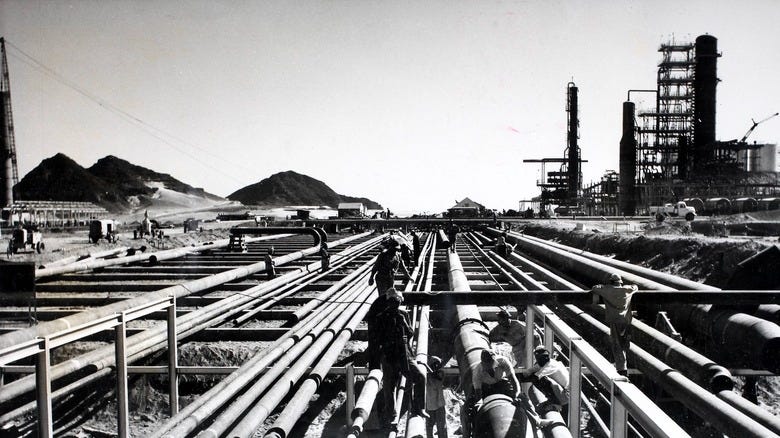
In 1973, it was an oil embargo targeting countries that provided military support to Israel during the war. Oil stopped flowing to Israeli allies, and the consequences highlighted Western vulnerability to oil supply shocks. At the time, the price of oil rose at one point, rose by 400%. The government Office of the Historian noted:
The embargo laid bare one of the foremost challenges confronting U.S. policy in the Middle East, that of balancing the contradictory demands of unflinching support for Israel and the preservation of close ties to the Arab oil-producing monarchies. The strains on U.S. bilateral relations with Saudi Arabia revealed the difficulty of reconciling those demands.
So why is this historical context important? The 1973 crisis triggered one of the deepest recessions post-WWII. U.S. GDP fell by nearly 7% from its peak to trough, while unemployment doubled from 4.6% in 1973 to 9% by May 1975. The resemblance between then and now is eerily similar, except for the fact that Trump has handed control of the oil spigot to Iran, who have turned it off. The potential economic fallout, I would argue, is not dissimilar.
At the moment, the public is suffering only the beginning of the inflationary impact of the stalled supply of oil and other key commodities, resulting from the closure of the Strait of Hormuz. Americans are being cushioned in the US by Trump’s market-friendly lies and the release of oil from the Strategic Petroleum Reserve (SPR), which is designed to absorb oil supply shocks. Deception is not a plan; it’s a ‘fake it while you make it’ strategy. The problem with this strategy is that it only provides a short stopgap and relies on a real plan, which Trump does not have.
I fear far too many of those who should know better are in denial about just how bad the impending economic impact will be on hard-working Americans. It would appear that this whole debacle is a failed adventure, with the damage to US assets in the region being hidden from the American people, along with service members living on rationed food while serving a Commander-in-Chief who does not give a damn for their welfare. While we have always known that the truth has been the enemy of this regime. The fact that Trump has risked the future prosperity of millions of Americans for personal advantage in search of self-enrichment marks him as the monster he is.
There is only one winner in this war, I’m afraid, and it’s China.
And main stream media have no problem saying Trump cancelled
Gardening is has kept me sane since childhood. Pity the fools that worship money and control of others,lying to get their way and ignoring the goodness of a simple life.🌎🌍🌏🌾💐🌻🥕🌽🍅🥒🍋🍑