


There is no question that common sense prevailed yesterday, but it was not because Trump had a road-to-Damascus moment; it was because he was out of options for exerting pressure. There is no spinning the situation he now finds himself in, and I fear we are about to see just what Pandora’s box he’s opened. This will likely prove to be his most expensive act of market manipulation to date, but I’m sure many of those on the inside made yet more money overnight as markets juiced up again. He’s invented a new financial instrument called ‘Trump stories”, and the markets have become his ventriloquist dummy, delivering riches to his chosen few.
The geopolitical result of this catastrophic failure of US foreign policy is difficult to assess until we see how Iran decides to proceed. Think about that for a moment; it’s for Iran to decide what happens next. There is absolutely no question that Trump has spent tens of billions of dollars, presided over the loss of American service personnel, and the destruction of US military bases in the region, to leave Iran stronger than before he embarked on this ‘road to nowhere’ campaign. There is no spinning this, but don’t worry, Batman and Robin (Kushner and Witkoff) are racing in to secure reconstruction opportunities as they set up Trump’s skimming operation before any contracts are signed.
I am sitting here in a state of cognitive bewilderment, trying to wrap my head around the utter futility of this diplomatic Laurel and Hardy moment. Trump had a deal on the table in Geneva in late February. To explore what the position was at that time, let’s take a look at a piece by Patrick Wintour and Julian Borger in The Guardian on March 17th 2026. The reason I think this is a great reference piece is that I have a great deal of respect for Jonathan Powell, who is the UK National Security Adviser and a seasoned political operator, having served in government for decades.
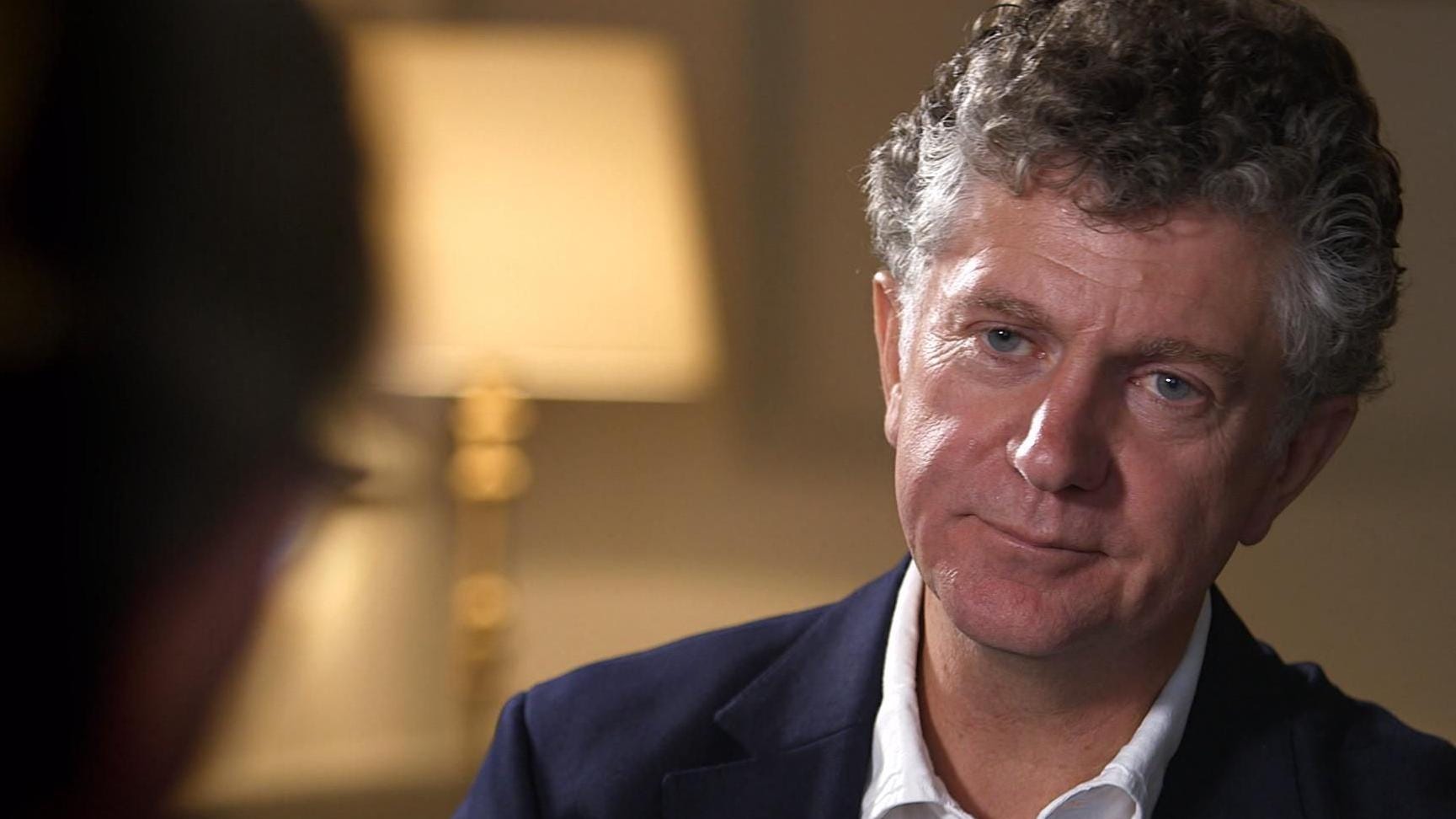
Jonathan was in the room, and unlike Kushner and Witkoff, he’s the real deal when it comes to diplomatic experience. For the record, the UK is noted as having the most skilled diplomatic service in the world, born out of centuries of international negotiations. Working for the UK diplomatic service is seen as one of the most prestigious jobs in the UK. While they are often labelled as elitist, the Foreign Office sets the highest standards for its diplomats, and rest assured, Kushner and Witkoff would be considered too high-risk to even work as mailroom clerks.
The Guardian article notes:
Britain’s national security adviser, Jonathan Powell, attended the final talks between the US and Iran and judged that the offer made by Tehran on its nuclear programme was significant enough to prevent a rush to war.
Kushner and Witkoff did NOT bring a US technical team to the negotiations; instead, they invited Rafael Grossi, the director general of the International Atomic Energy Agency (IAEA). It appears they did this, only to ignore him. Kushner claimed he and Witkoff had:
“a pretty deep understanding of the issues that matter in this”
The only thing they understood was that Trump needed a cut of any negotiated deal. It’s the same story over and over again. Trump sends in Batman and Robin to secure his personal interests. It’s worthy of note that, as reported in the article:
Nuclear experts would later say that Witkoff’s pronouncements on the Iran nuclear programme were riddled with basic errors.
In contrast, Jonathan Powell brought in a UK Cabinet Office expert, and he drew a very different conclusion from Kushner and Witkoff. This is hardly surprising given they are simply representing Trump’s interests and ultimately their own. That’s not diplomacy, it’s corrupt economic opportunism. The reporting goes on to note:
The UK saw no compelling evidence of an imminent threat of an Iranian missile attack on Europe or of Iran securing a nuclear weapon.
This might help provide an insight into why European allies decided not to participate in what was always going to be a failed adventure. The bizarre thing is, the US had an outstanding diplomatic service, but Trump decided to gut it. Now we know why.
Yesterday, the bottom line was that Trump had nowhere to go and faced the prospect of taking responsibility for a potential global economic collapse. He’s done what he always does when he’s in a corner: try to buy time. In doing so, however, he has handed the narrative to the Iranian leadership, who have picked it up and run with it. It is ludicrous to believe that the new leadership are as Trump likes to portray them, ‘less radical’. Yes, there has been a regime change, but be assured it’s not for the better, and, incidentally, they have a supreme understanding of how to leverage social media messaging.
Iran has thousands of years of resisting those who came to conquer. They have been studying how the Americans fight wars for decades, and they have seen them defeated time and again by insurgent resistance. They knew there was little point in resisting the might of the US Air Force, so the plan was to let them expend expensive munitions while protecting their own deep underground. Their strategy has been pitch perfect: close the Strait of Hormuz, attack strategic Gulf assets, and effectively impose cost-free economic sanctions on their Gulf neighbours by decimating tourism revenue.
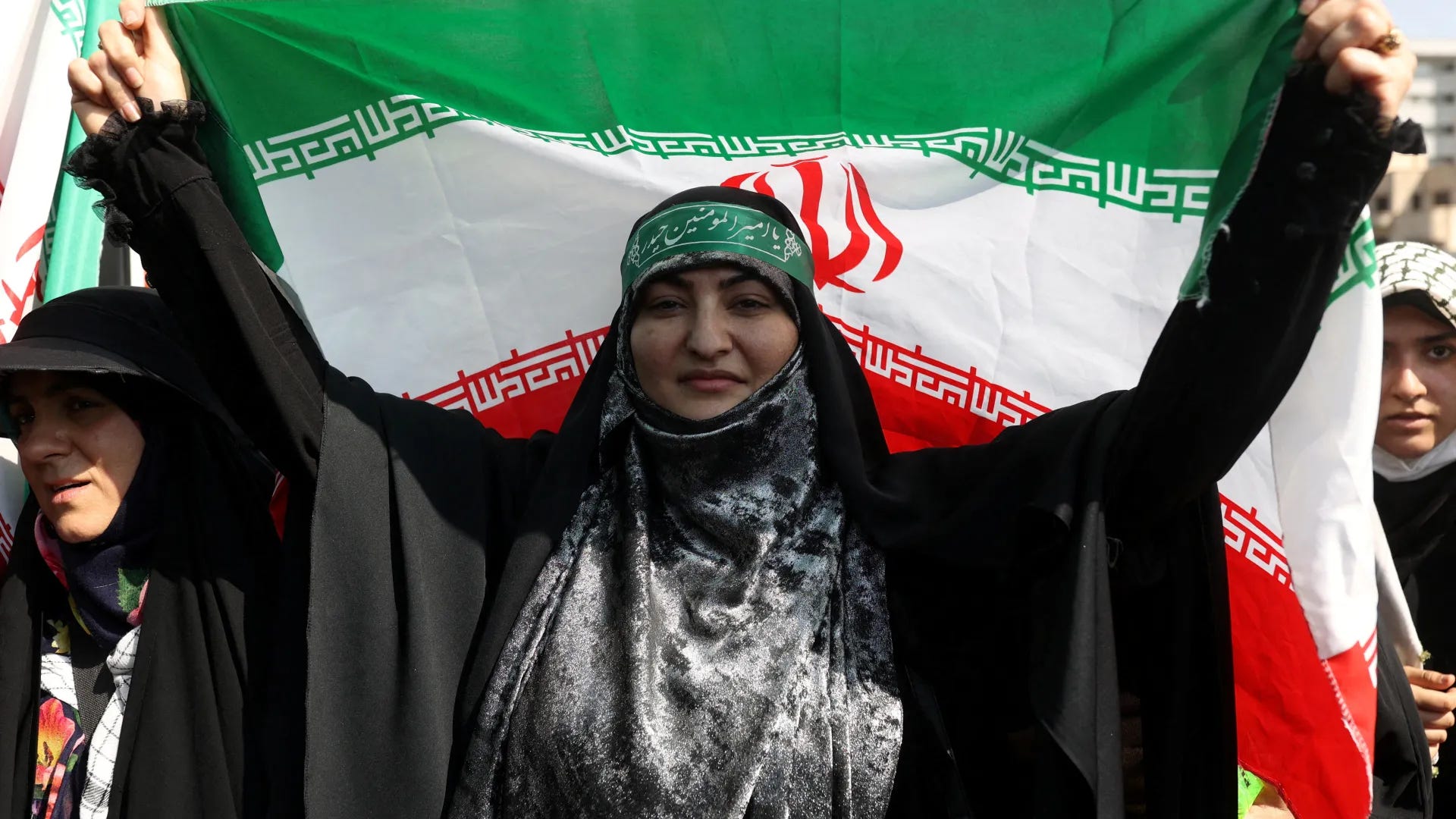
Iran is a religious fundamentalist state, not dissimilar to the one Trump himself is trying to create in the US. It’s a nation of 93 million people. Just 20% of the population are fervent supporters of the regime, not dissimilar to MAGA support in the wider US population. Nevertheless, that is still close to 19 million hardline supporters in Iran. On the other side of the coin, 40% of the population explicitly supports regime change, but the indiscriminate targeting of Iranian infrastructure to date has left this demographic in a state of despair, as they claim Trump is no better than their own government.
The Iranian army has an active force of around 900,000, including reservists. These consist of a regular army (Artesh) and the elite Islamic Revolutionary Guard Corps (IRGC). In addition, they have a paramilitary force not dissimilar to ICE that employs volunteer thugs to terrorise those engaging in dissent. The military structure is built for asymmetric warfare, which is why the US has found it so difficult to remove the threat they pose. The decentralised chain of command (the mosaic doctrine) makes them difficult to defeat. I have absolutely no doubt that US military advisors are telling Trump it would be a suicide mission to put US boots on the ground, hence he’s desperately in search of an off-ramp.
The Iranian leadership are playing a very strategic game by not targeting the US mainland and European allies. There is no upside, so why make such a stupid mistake? In a remarkable strategic achievement, Trump has unquestionably made Iran great again, while looking like a complete idiot on the world stage. Trump is learning a hard and economically damaging lesson that replacing diplomats with property developers is the road to reputational ruin if he had any reputation left at this stage. That’s before we discuss the economic impact.
Iran could not have achieved greater success; it has highlighted the limits of conventional military intervention and, above all, signalled yet again a change in how wars will be fought in the future. It’s the arrogance that will kill you. The US could simply have gone to Ukraine, given them all they needed to fight Russia in return for their expertise on defeating the Iranian drone and missile threat. It would not have cost a fraction of what it has cost them to date to fail.
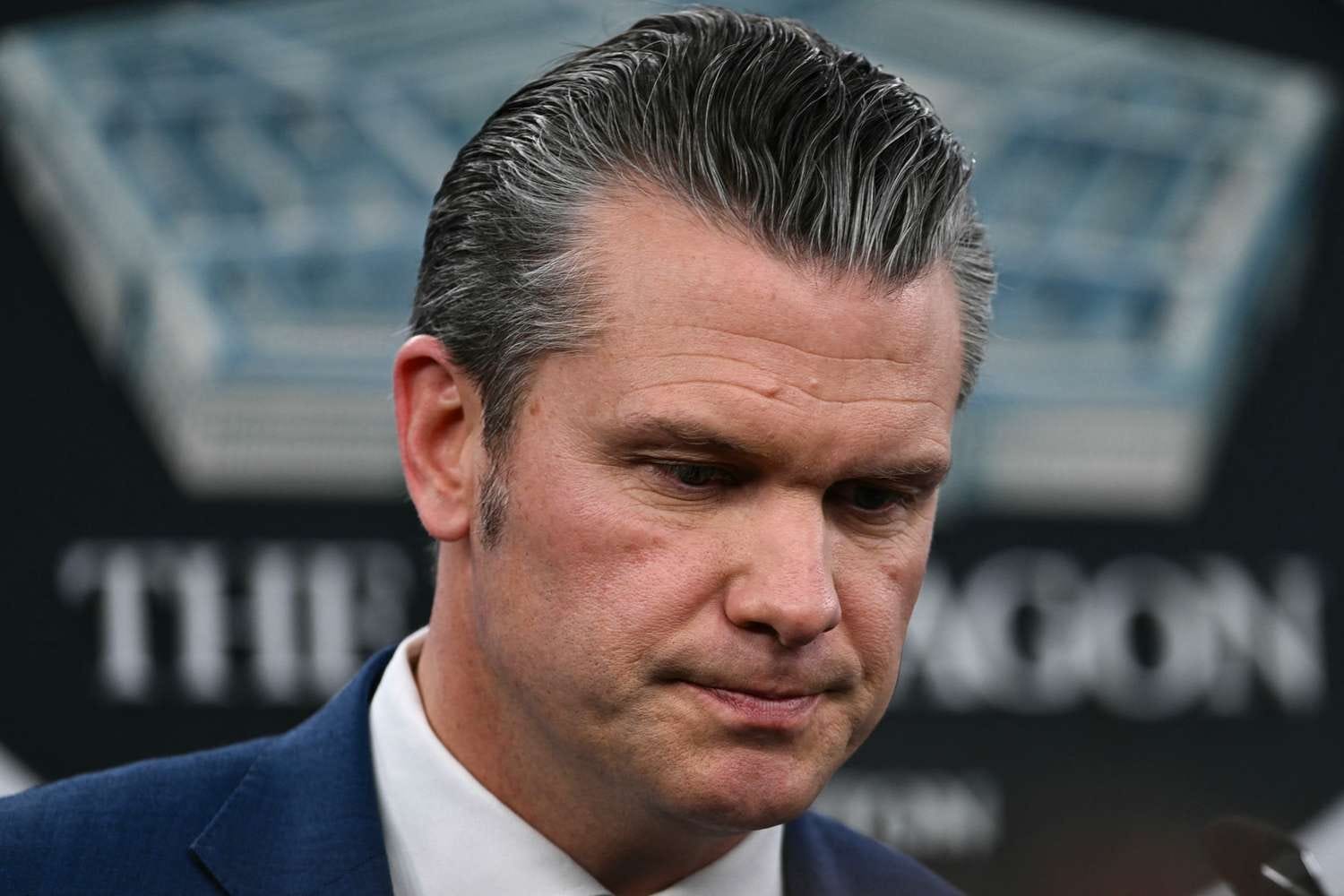
If I were Pete Hegseth, I would be VERY worried because Trump will be on the warpath looking for someone to blame, and he’s right up there. Today, we are going to see the administration's desperate attempts to reframe the hole they find themselves in, because the optics are beyond catastrophic. The lunacy of the moment is further punctuated by the sinister sight of the Vice President of the United States in Hungary just days before a General Election in the country. Lest we forget, this is a nation of 10 million people, where he is openly undermining the EU while campaigning to help a far-right, corrupt autocrat and fellow Putin fanboy, steal an election.
I don’t intend to go into any depth about the Iranian ten-point plan today, simply because most of it would be speculation, given that we don’t appear to have the full picture. All I would say is that, based on the information we have at this point, Iran has gained control of the Strait of Hormuz. It still has the enriched uranium, said to be a primary target for the US. It seems the US has no alternative but to lift further sanctions if it wants to get ships moving through the Strait of Hormuz at $2 million a pop. Trump has elevated Iran into a Middle East Superpower for two weeks.
This pause in attacks will allow Iran to reposition its military assets and prepare for the next steps in this conflict without fear of further strikes. This will allow them time to test the strength of the ceasefire, etc. What they won’t fall for again is assuming that the US is acting in good faith. The Chinese and the Russians are, I suspect, delivering important intelligence on US military assets. I suspect that in the next 24 hours, we will have a better picture of the direction of travel, and then I can weigh in. All I would say is that Israel will never adhere to the ceasefire, so I expect it to fall apart in a matter of days, if not hours.
Speaking of gambling. Predictive betting site Polymarket has shown a suspiciously high accuracy re the Iran war on newly created accounts. One trader used 38 accounts to net over $2 million in a day.
Iran had the upper hand the moment they closed the strait. The Iranian regime does not care about sacrificing part of their population. Trump had no cards.